
Table of Contents
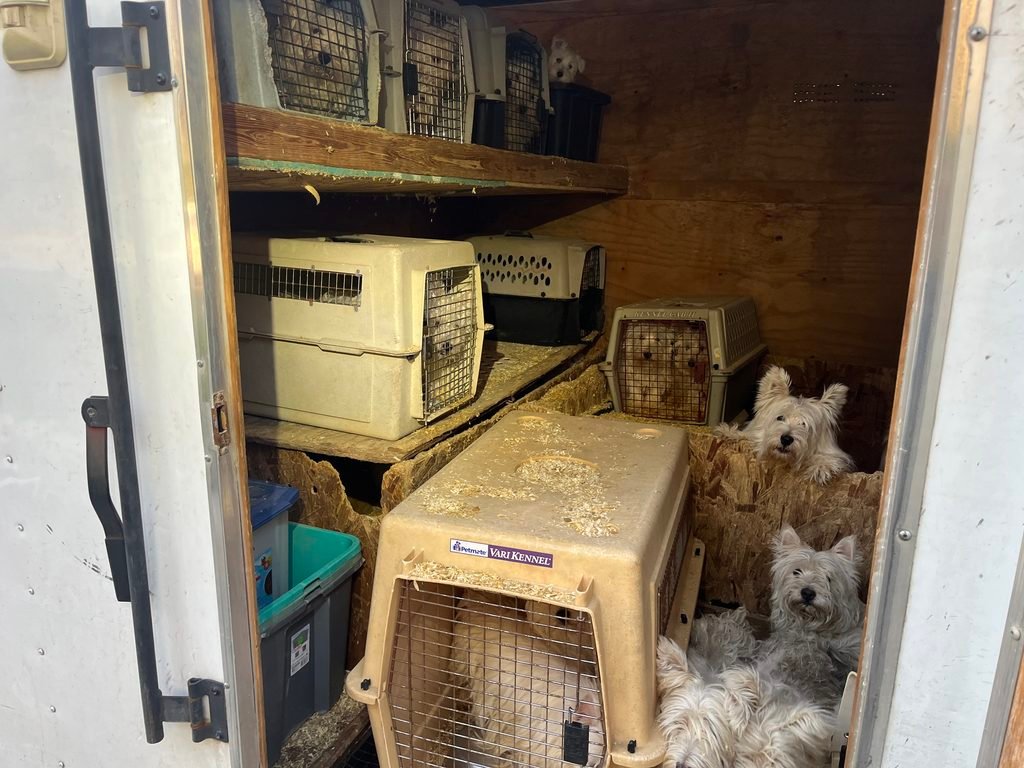
When news broke this fall that 42 West Highland White Terriers had been found living in a cramped trailer in Marysville, Washington, many people in the Westie community felt heartbroken. Westies are cheerful, affectionate dogs, and it is painful to picture them matted, frightened, and unhandled. It also left many would-be owners asking a fair question: how do you know the breeder you’re talking to is doing right by their dogs?
We’re a Washington Westie breeder, and this story matters to us. This post summarizes what was reported, treats it with the care it deserves, and shares the Westie breeder red flags we hope every buyer knows before they reserve a puppy.
What Was Reported
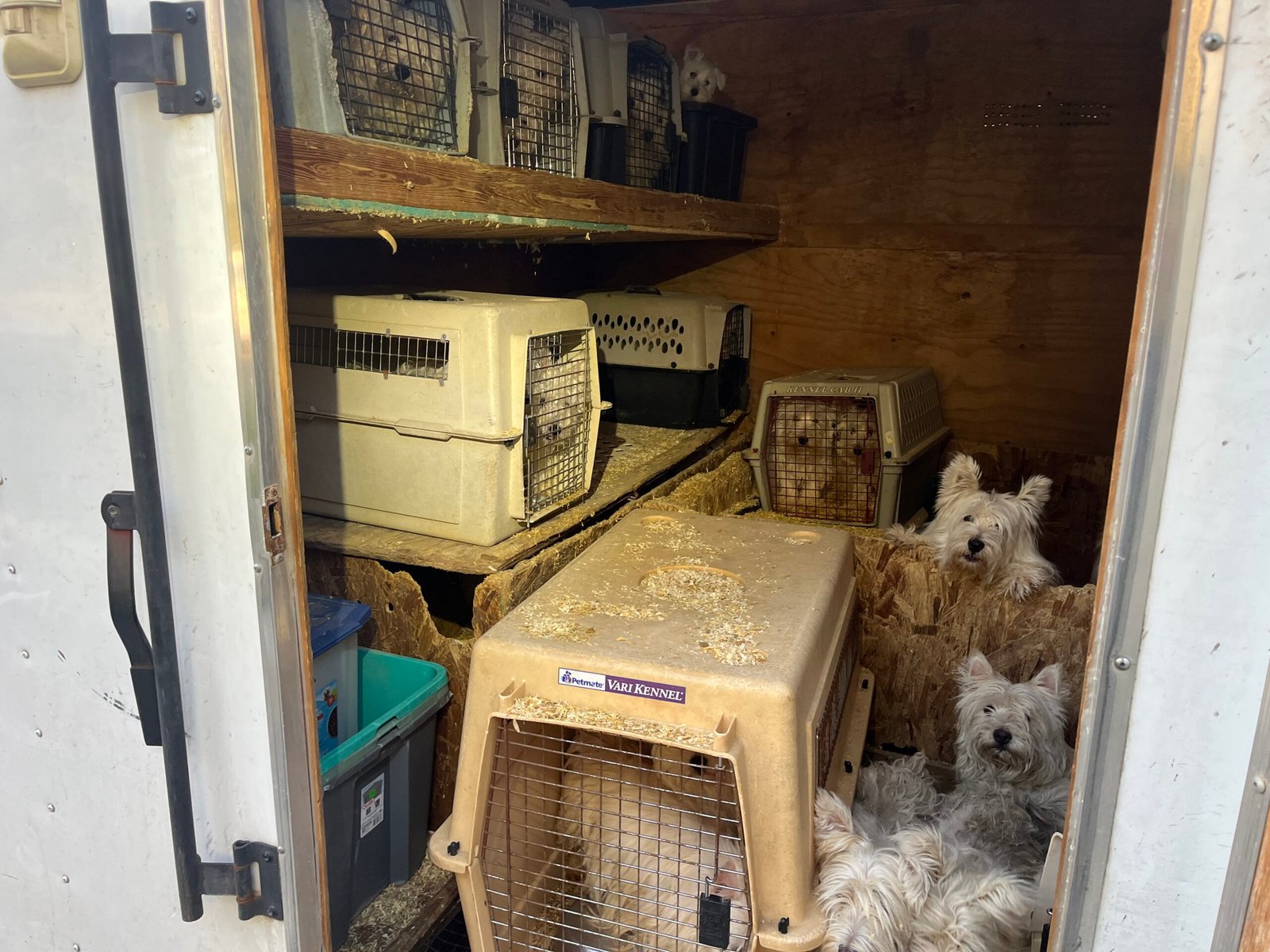
According to news coverage from KOMO and KIRO 7, Marysville police and animal control responded on August 31 to a trailer where 42 West Highland White Terriers were found. KIRO 7 also reported two additional dogs of an unknown breed. The dogs ranged from about four weeks to four years old.
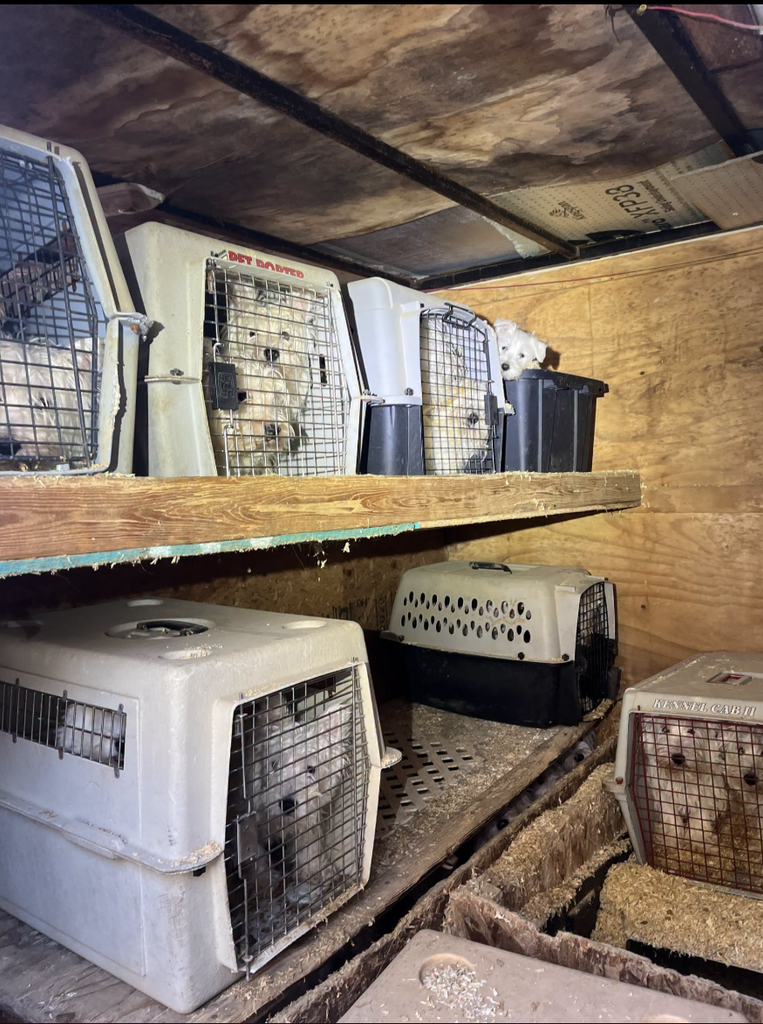
Officers described many of the dogs as matted and soaked in urine, with kennels stacked on one another. None of the dogs were spayed or neutered, and officials said they had not been handled. A prosecutor said the dogs were kept three to four to a kennel, with only one water bowl and no food in sight. One young dog was hospitalized with suspected parvovirus and recovered. Officials said every dog had some health issue, though most were treatable over time.
The dogs were taken to the Everett Animal Shelter, where they received vaccinations, microchips, and clean housing. The shelter reported more than 250 adoption applications and stopped accepting new ones. By early October, more than 40 of the dogs had been adopted or placed in foster care.
On the legal side, police submitted 43 counts of second-degree animal cruelty and one breeding-related charge. A man appeared in Marysville Municipal Court on October 7 and pleaded not guilty. These are allegations, and the case is ongoing, so we won’t speculate about it. What we can do is learn from what the dogs went through, starting with the Westie breeder red flags below.
Why This Matters to Buyers
Most people who find a Westie online see the same thing: adorable photos and a friendly message. Photos don’t tell you how a dog lives. The puppies in a polished listing can come from a place you would never choose if you saw it, and that gap between what’s shown and what’s real is exactly where bad situations hide.
The good news is that careful buyers can spot trouble early. Here are the Westie breeder red flags we’d watch for.
Westie Breeder Red Flags to Watch For
None of these Westie breeder red flags proves wrongdoing on its own, but several together are a good reason to walk away.
1. No Way to See the Dogs or Their Mother
A responsible breeder is proud to show you where puppies are raised. If a seller won’t let you see the mother, won’t show the puppies’ living area, or avoids a live video call, treat that as a serious red flag. Photos can be copied from anywhere. A live view of the puppies with their mother cannot.
2. Puppies Available All the Time
Westie breeders who care for their dogs raise a small number of litters. If someone always has puppies ready, or has several litters at once, ask how many breeding dogs they have and how those dogs are cared for. Good breeders usually keep waitlists, not a constant supply.
3. Many Breeds, Many Litters
Breeders who juggle several breeds and many litters are often stretched thin. Specializing in one breed is usually a sign of someone who knows it well and has time for each dog.
4. Pressure to Pay Quickly
Rushed deposits, pressure to wire money, or reluctance to put terms in writing are all warning signs. A good breeder asks you questions, takes time to answer yours, and gives you a written contract before any money changes hands.
5. Vague Answers About the Parents
Ask what health screening the parents have had and request the results. A caring breeder can explain what was tested and why. Vague or defensive answers are a signal to look elsewhere.
6. Prices Far Below Market
Raising dogs well costs money: veterinary care, good food, health testing, clean housing, and time. A price far below what other breeders charge can mean something has been skipped. Our guide to Westie puppy prices explains what to expect and what a fair price includes.
7. Sales Through Pet Stores or Online Marketplaces
If you can’t meet the breeder and can’t see where the puppy was raised, you can’t judge how it was treated. Be especially cautious with sellers who ship puppies sight unseen from places you can’t verify.
8. Puppies Sent Home Too Young
Puppies need time with their mother and littermates. Eight weeks is the standard minimum. A seller who offers to send home much younger puppies isn’t putting the puppy first.
9. No Records, Contract, or Guarantee
You should receive vaccination and veterinary records, registration paperwork where applicable, and a written contract explaining the guarantee, deposit, and return terms. If those aren’t offered, ask why.
When Westie Breeder Red Flags Add Up
If you notice more than one of these Westie breeder red flags, slow down. Ask direct questions, ask to see the dogs, and don’t send money until you’re comfortable. It’s always okay to walk away, even if you’ve already fallen for the puppy in the photos.
What a Responsible Westie Breeder Looks Like
Responsible breeders do the opposite of every one of the Westie breeder red flags above. They raise puppies in the home, keep small numbers of dogs, health-screen the parents, keep good records, and ask you questions about your household. They stay in touch after pickup and want to hear how your puppy is doing years later.
We wrote a longer guide on this topic, how to find a reputable Westie breeder, with a full list of questions to ask. We’d encourage you to ask us every one of them. A good breeder should welcome that.
What We Do
At West Coast Westies, our puppies are raised in our home, not in a separate kennel. They grow up with everyday sights and sounds, gentle handling, and early socialization. Each puppy has a veterinary examination, first vaccinations, and a microchip before going home, and every family receives our guidance and support long after pickup. We raise a small number of litters so that each mother and each puppy gets real attention, and our families join a waitlist, talk with us, and then reserve with a deposit.
You can see how our current puppies are growing on the Litter A page, and you’re welcome to read about how the process works in our guide to the Westie puppy waitlist.
How You Can Help
If this story has stayed with you, there are practical ways to help dogs in need:
- Support your local shelter. Everett Animal Shelter and shelters like it take on large cases like this one, and they rely on donations, volunteers, and foster homes.
- Consider fostering or adopting. Many shelters and breed-specific rescues need foster homes, and adoption can change a dog’s life.
- Report concerns. If you believe animals are being neglected, contact your local animal control or humane society.
- Choose carefully. Every puppy bought from a careful breeder is one less sale for a seller who cuts corners.
- Spread the word. Share this list of Westie breeder red flags with a friend who is looking for a puppy.
A Final Thought
The dogs in Marysville have a chance at new lives because police, shelter staff, foster families, and adopters stepped in. The rest of us can do our part by asking questions, insisting on transparency, watching for Westie breeder red flags, and choosing breeders who welcome that scrutiny.
If you’re thinking about bringing home a Westie and want to talk, reach out. We’re glad to answer anything, and we’d rather you take your time and feel sure than rush into a decision.
Meet Litter A · Join the waitlist
Sources: KOMO News and KIRO 7 reports on the Marysville case, September and October 2026. Details reflect those reports at the time of writing, and the legal case is ongoing.